
Clear Your Complexion with Skin Tone Correction: Effective Pigmentation Treatments
Uneven skin tone and pigmentation issues can be frustrating, especially as we age. I have noticed how pigmentation marks, sunspots, and dullness can affect the overall glow and texture of the skin. Fortunately, there are advanced treatments designed to restore clarity and radiance, helping us regain confidence in our complexion. In this post, I will share insights into skin tone correction and pigmentation treatments that work, focusing on natural, long-term skin health.
Understanding Skin Tone Correction and Pigmentation
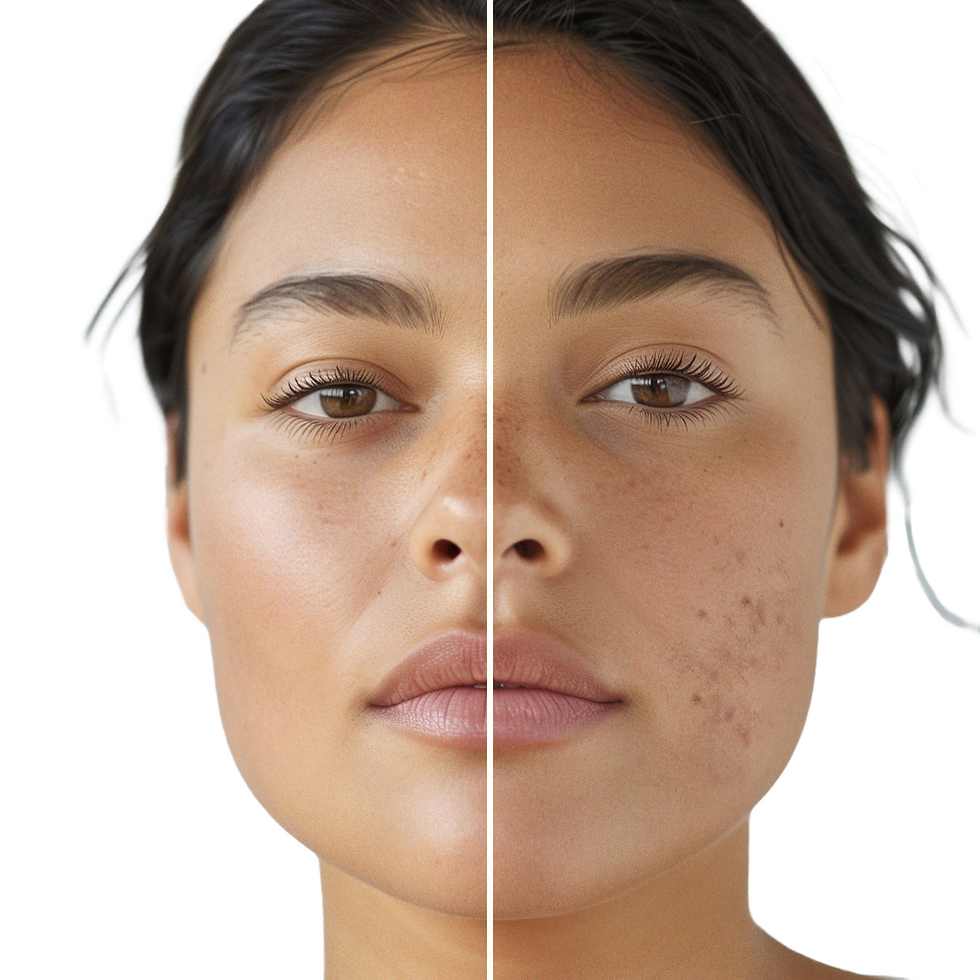
Skin tone correction is a process aimed at evening out the complexion by reducing dark spots, redness, and other discolorations. Pigmentation occurs when melanin, the pigment responsible for skin colour, is produced unevenly. This can result from sun exposure, hormonal changes, ageing, or inflammation.
Pigmentation treatments target these irregularities to create a smoother, more uniform skin surface. They are especially beneficial for those experiencing signs of ageing, such as sagging skin and rough texture, as they often accompany pigmentation issues.
Some common types of pigmentation include:
Melasma: Often linked to hormonal changes, appearing as brown patches.
Sunspots: Caused by prolonged sun exposure, usually small and dark.
Post-inflammatory hyperpigmentation: Dark marks left after acne or skin injury.
By addressing these concerns, skin tone correction treatments can improve both the appearance and texture of the skin, making it look fresher and more youthful.
Effective Skin Tone Correction Treatments for Ageing Skin
When it comes to treating pigmentation uneven skin tone, a personalised approach is essential. Here are some of the most effective treatments that I have found beneficial for mature skin:
1. Chemical Peels
Chemical peels use acids to exfoliate the top layers of skin, encouraging new, healthy skin to grow. They can reduce pigmentation, improve texture, and stimulate collagen production, which helps with sagging.
Glycolic acid peels are gentle and suitable for sensitive skin.
TCA peels are stronger and better for deeper pigmentation.
2. Topical Treatments
Prescription creams containing ingredients like hydroquinone, retinoids, or vitamin C can lighten pigmentation over time. These are often used alongside in-clinic treatments for best results.
3. Microneedling
Microneedling creates tiny punctures in the skin, stimulating collagen and enhancing the absorption of topical treatments. It improves skin texture and reduces pigmentation marks.
4. Sun Protection
A crucial part of any pigmentation treatment plan is diligent sun protection. UV exposure worsens pigmentation and can undo treatment progress. Using a broad-spectrum SPF 30 or higher daily is non-negotiable.
Each of these treatments can be tailored to your skin’s needs, ensuring safety and effectiveness. Combining therapies often yields the best results, especially for complex pigmentation issues.

How to Treat Hyperpigmentation During Pregnancy?
Pregnancy can bring about a specific type of pigmentation called melasma or the "mask of pregnancy." Hormonal fluctuations increase melanin production, causing dark patches on the face. Treating hyperpigmentation during pregnancy requires extra caution to protect both mother and baby.
Here are safe approaches to consider:
Sun protection: The most important step. Use a mineral-based sunscreen with zinc oxide or titanium dioxide.
Gentle skincare: Avoid harsh acids or retinoids during pregnancy.
Natural remedies: Ingredients like aloe vera and licorice extract may help lighten pigmentation gently.
Postpartum treatments: Many pigmentation issues improve after childbirth. More intensive treatments can be safely started after breastfeeding.
Always consult a dermatologist or skin specialist before starting any treatment during pregnancy. Patience and protection are key during this time.
Lifestyle Habits to Support Skin Tone Correction
Beyond clinical treatments, lifestyle choices play a significant role in maintaining a clear complexion. Here are some practical tips I follow and recommend:
Hydration: Drinking plenty of water keeps skin plump and supports detoxification.
Balanced diet: Foods rich in antioxidants, vitamins C and E, and omega-3 fatty acids promote skin repair.
Avoid smoking and excessive alcohol: These accelerate ageing and worsen pigmentation.
Regular gentle exfoliation: Helps remove dead skin cells and encourages cell turnover.
Stress management: Chronic stress can trigger inflammation and worsen skin conditions.
Incorporating these habits enhances the results of professional treatments and supports long-term skin health.
Embracing Your Skin’s Natural Beauty with Confidence
Pigmentation and uneven skin tone can feel like a barrier to feeling comfortable in your own skin. However, with the right knowledge and treatment plan, it is possible to restore clarity and vibrancy. I encourage you to explore options that prioritise natural-looking results and long-term skin health.
Remember, every skin is unique. What works for one person may not be ideal for another. Consulting with a trusted skin specialist ensures your treatment is safe, personalised, and effective.
If you want to learn more about managing pigmentation uneven skin tone and achieving a radiant complexion, take the first step today. Your skin deserves care that honours its natural beauty and resilience.
By embracing advanced pigmentation treatments and nurturing your skin with mindful habits, you can enjoy a clearer, more youthful complexion that reflects your inner glow.


J'ai hâte d'essayer ces conseils pour retrouver un teint éclatant et uniforme. Merci pour ces astuces géniales contre les taches pigmentaires. https://triathlonstadolphe.com/
The article on pigmentation treatments was informative and easy to understand. I liked how it explained treatment options while focusing on realistic expectations and skin health. It reminded me of how important education is when considering cosmetic procedures. During a demanding period of study, I relied on do my online accounting course while keeping up with deadlines. The post offers helpful guidance.
What an incredible piece — Stanislav Petrov's story is one of those rare historical moments that genuinely makes you pause and reflect. The fact that he wasn't even supposed to be on duty that night, and yet his calm, analytical thinking under unimaginable pressure is what prevented a nuclear catastrophe, is both humbling and fascinating. What really stands out is how his decision went against rigid Soviet military protocol — he trusted his gut and his engineering knowledge over a flashing alarm system, and that instinct potentially saved billions of lives. It's a sobering reminder of how fragile peace can be and how a single individual's judgment can carry the weight of the entire world. Stories like this deserve to…
The information about skin tone correction and pigmentation treatments was easy to understand and very helpful. It is interesting to learn about different ways people can improve their skin confidence and address common concerns. While researching health and beauty topics for a class project, I used to do my English class for me assistance during a particularly busy week. Learning about self-care can help people make informed choices.